How many meals a day should we actually be eating?
by Cary and Patty ~ My Simply Sage
I’ve found that as I’ve gotten older, my appetite and the way I eat have changed. So I got curious.
I did a little research, and the simple answer seems to be — there isn’t one right number for everyone.
For many of us, three regular meals a day works just fine. Others may do better eating smaller amounts more often.
So Why Did 3 Meals Become the Default?
The idea of eating three meals a day — breakfast, lunch and dinner — is probably more about our daily routines and the way our society developed than something our bodies absolutely require.
But there is a reason it has worked pretty well for a lot of people. Three meals spread throughout the day can give us the energy we need without having to eat all the time. It also gives our bodies some time between meals to digest what we’ve eaten.
So, three meals a day isn’t necessarily a rule. It’s simply a routine that works well for many people.
With that in mind, here are three simple ways to look at how we eat.
1. The Three Meals a Day Plan
Breakfast, lunch and dinner.
If you have a normal appetite and feel good eating three regular meals, there’s probably no reason to make it more complicated. It gives you a routine and makes it fairly easy to plan balanced meals.
2. The Smaller Meals and a Few Snacks Plan
Two or three smaller meals with one or two small snacks during the day.
This may work better if you don’t have the appetite you once did, tend to feel full sooner, or are simply trying to eat a little less.
Two is what we’re doing right now, with a snack somewhere during the day.
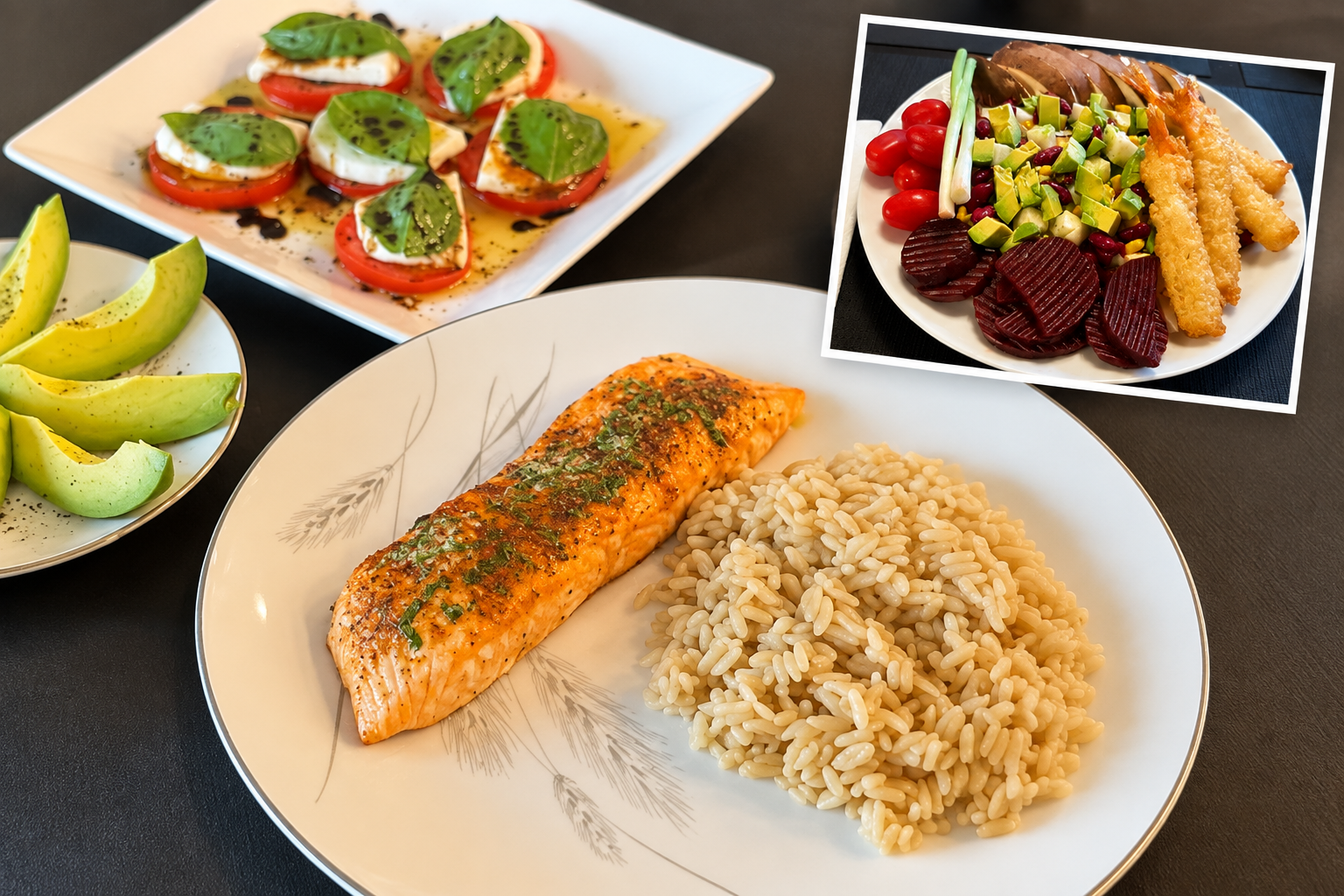
We’re both trying to lose a little weight before a cruise early next year. We’re not starving ourselves or following some complicated diet. We’re simply eating smaller meals, watching the snacks and trying to make better choices.
So far, it’s working pretty well.
3. The Several Small Meals Plan
Some people may feel better eating five or six small amounts throughout the day rather than sitting down to three larger meals.
If that’s you, the important thing is to make those smaller meals count. Include things like protein, fruits, vegetables and other nutritious foods rather than simply grazing on whatever happens to be handy.
What Seems to Matter Most
It isn’t necessarily how many times a day you eat.
It’s what you’re eating and how much you’re eating over the course of the whole day.
Try to include some protein with your meals, eat plenty of fruits and vegetables, and remember to drink enough fluids.
And maybe most importantly, pay attention to what works for you.
As we get older, our appetites and nutritional needs can change. There isn’t one eating schedule that everybody has to follow.
Sometimes a few simple changes are all you need.
Want to learn a little more?
Harvard’s Healthy Eating Plate is a simple guide to putting together a healthy, balanced meal.
You can take a look here: Harvard’s Healthy Eating Plate